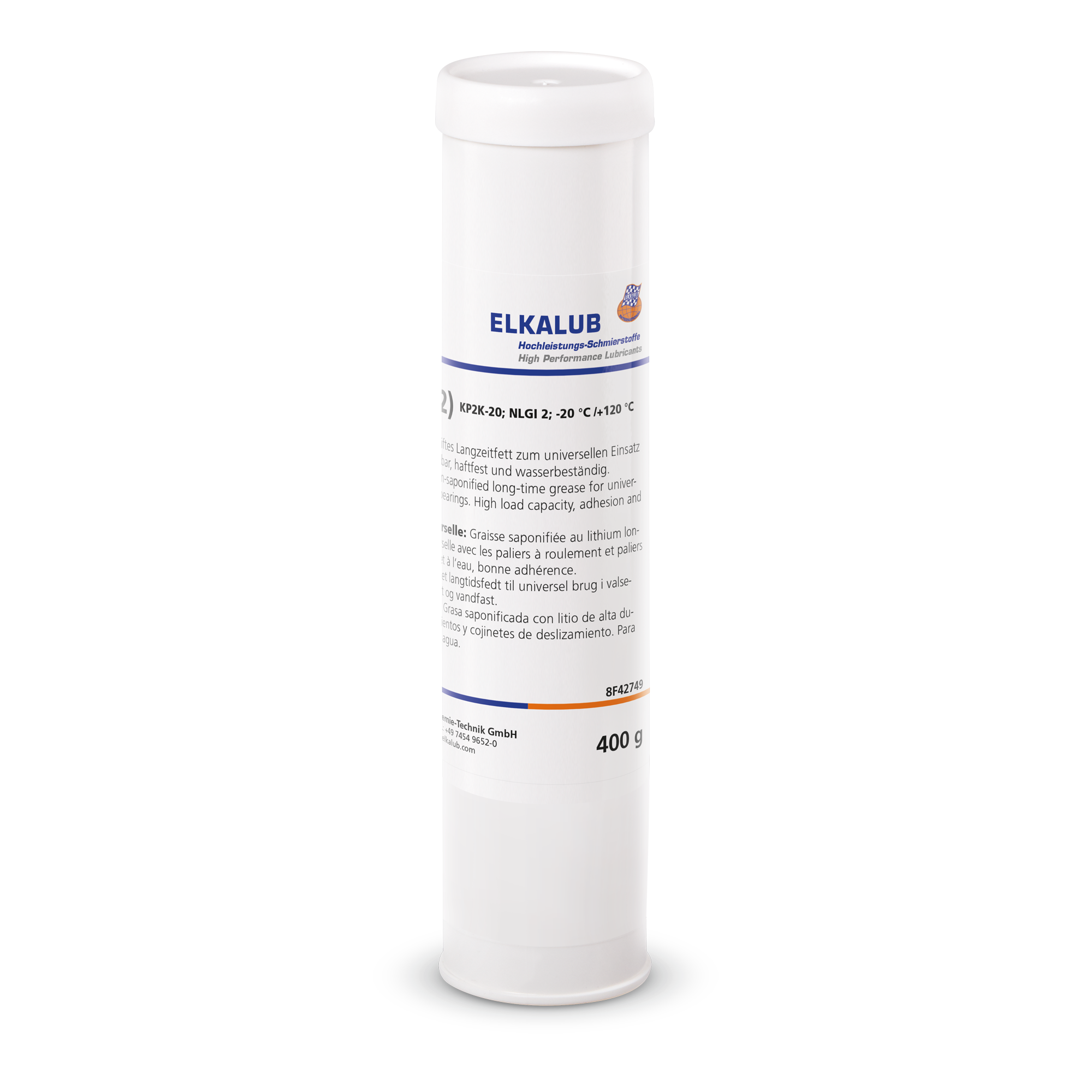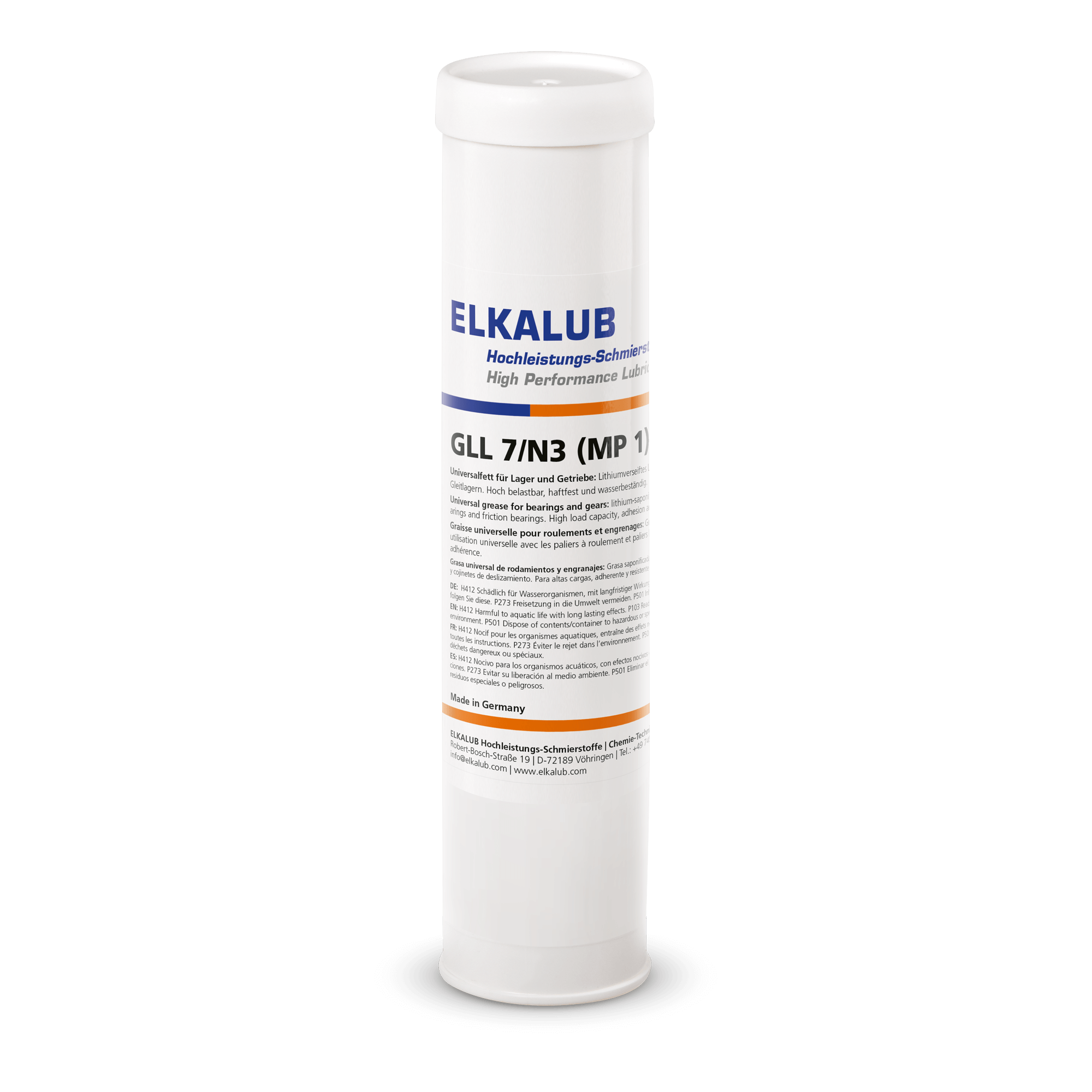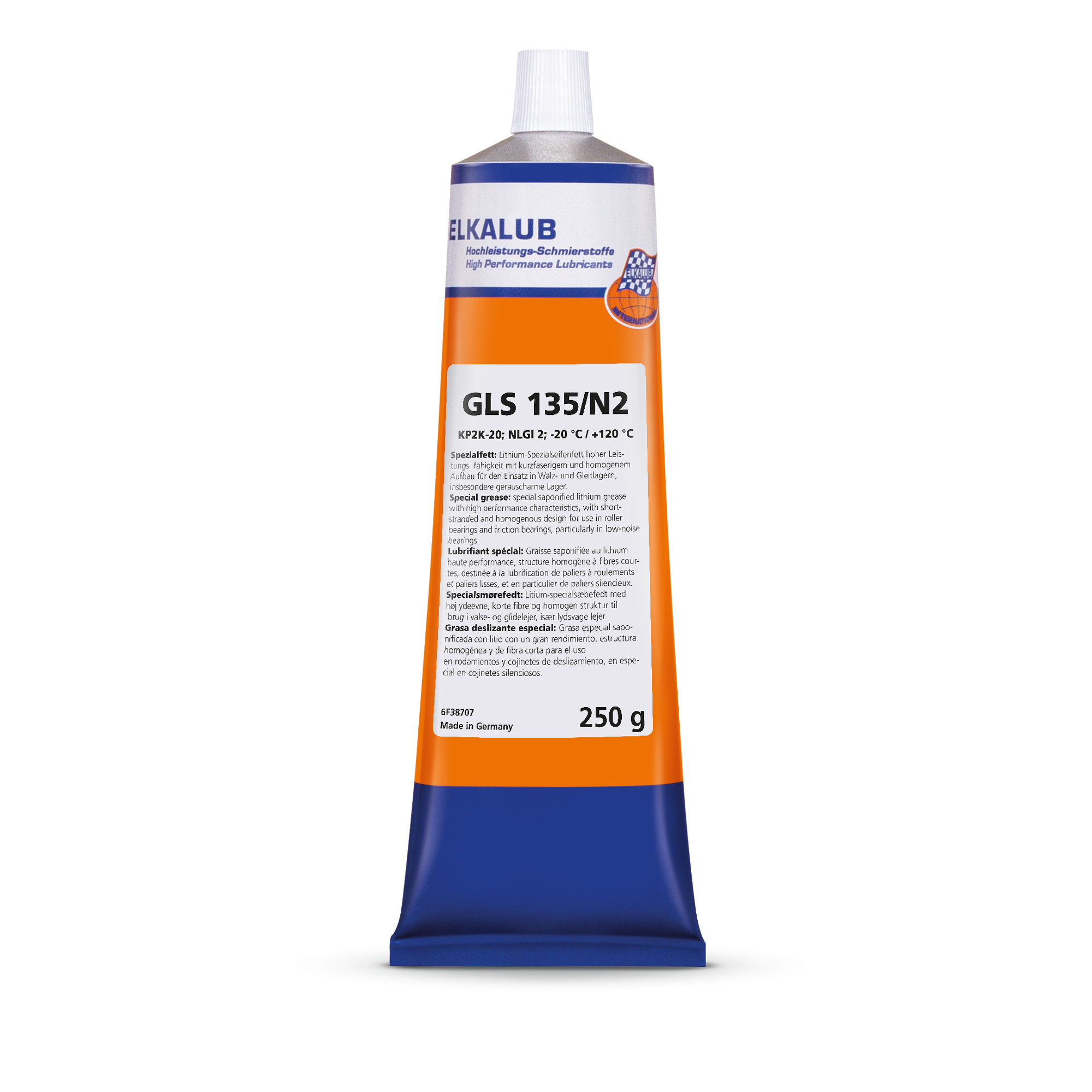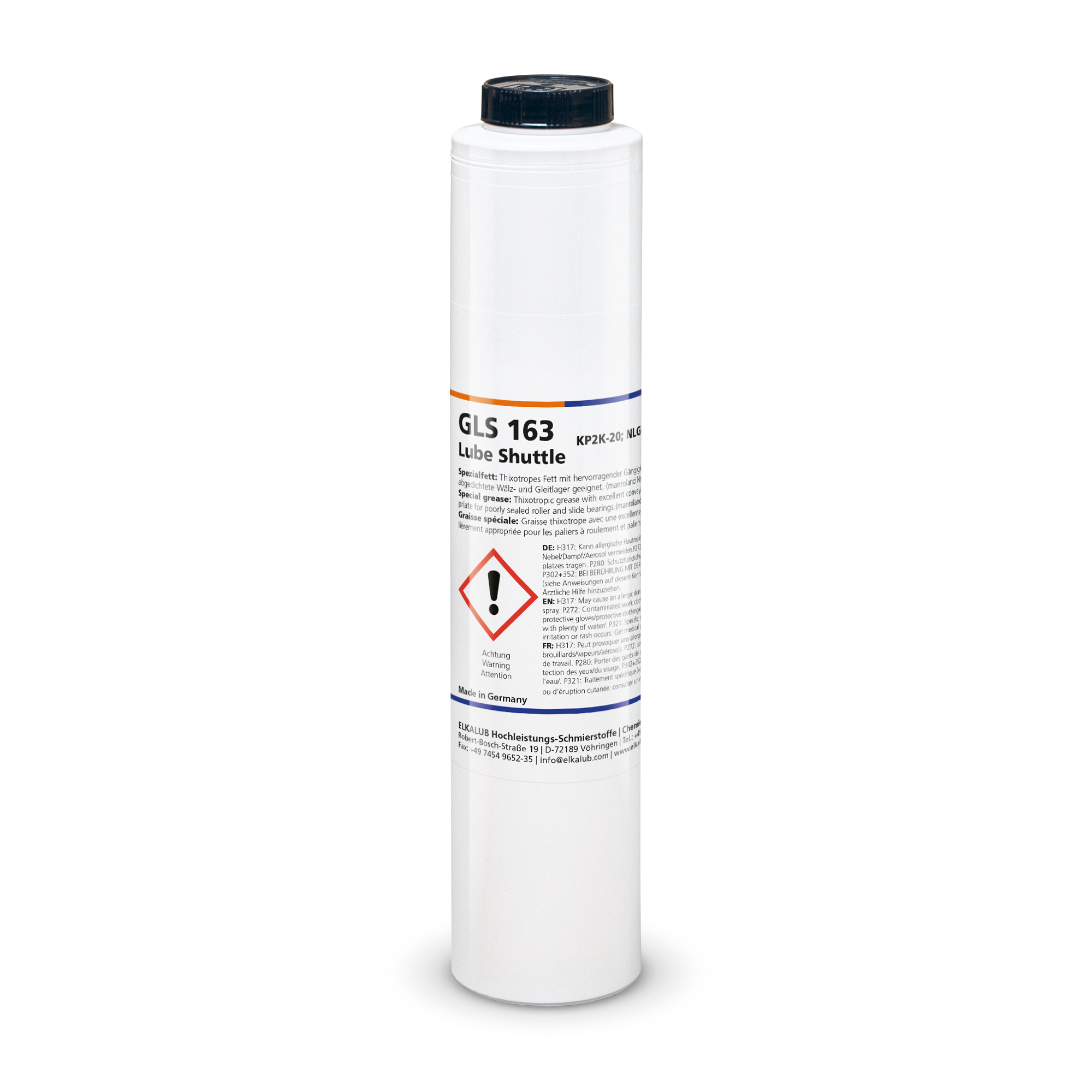
Lubricants for Rolling Bearings

Choosing the Right Oil and Grease Lubrication

Rolling bearings are one of the most commonly used machine components – and the choice of lubricant is critical to bearing service life and wear. In the converging lubrication gap, the speed and viscosity of the lubricant determine the thickness of the lubricating film. If it is too thin, the rubbing surfaces are not adequately separated. If it is too thick, rolling resistance and heat generation increase.

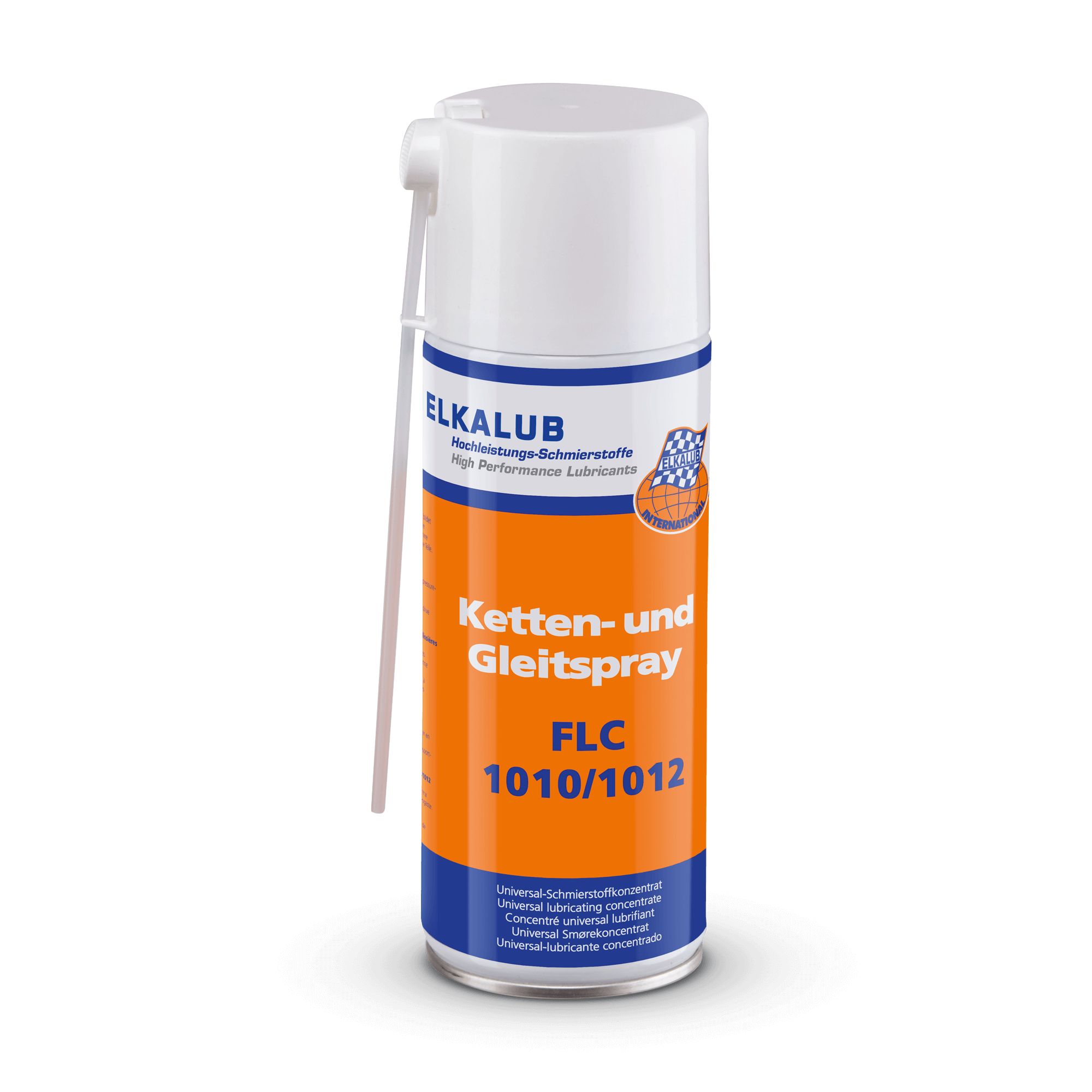
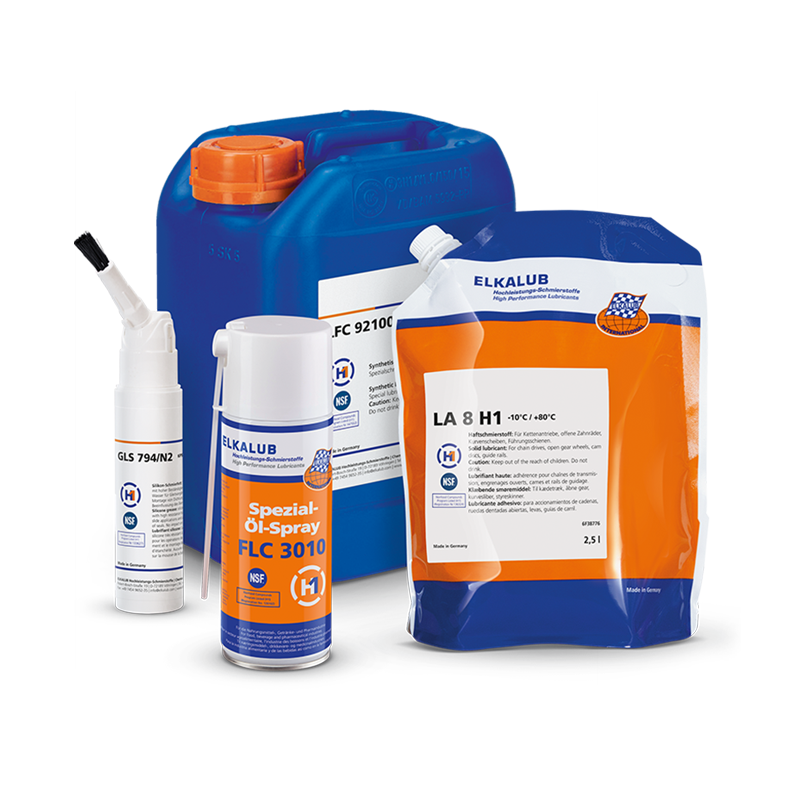
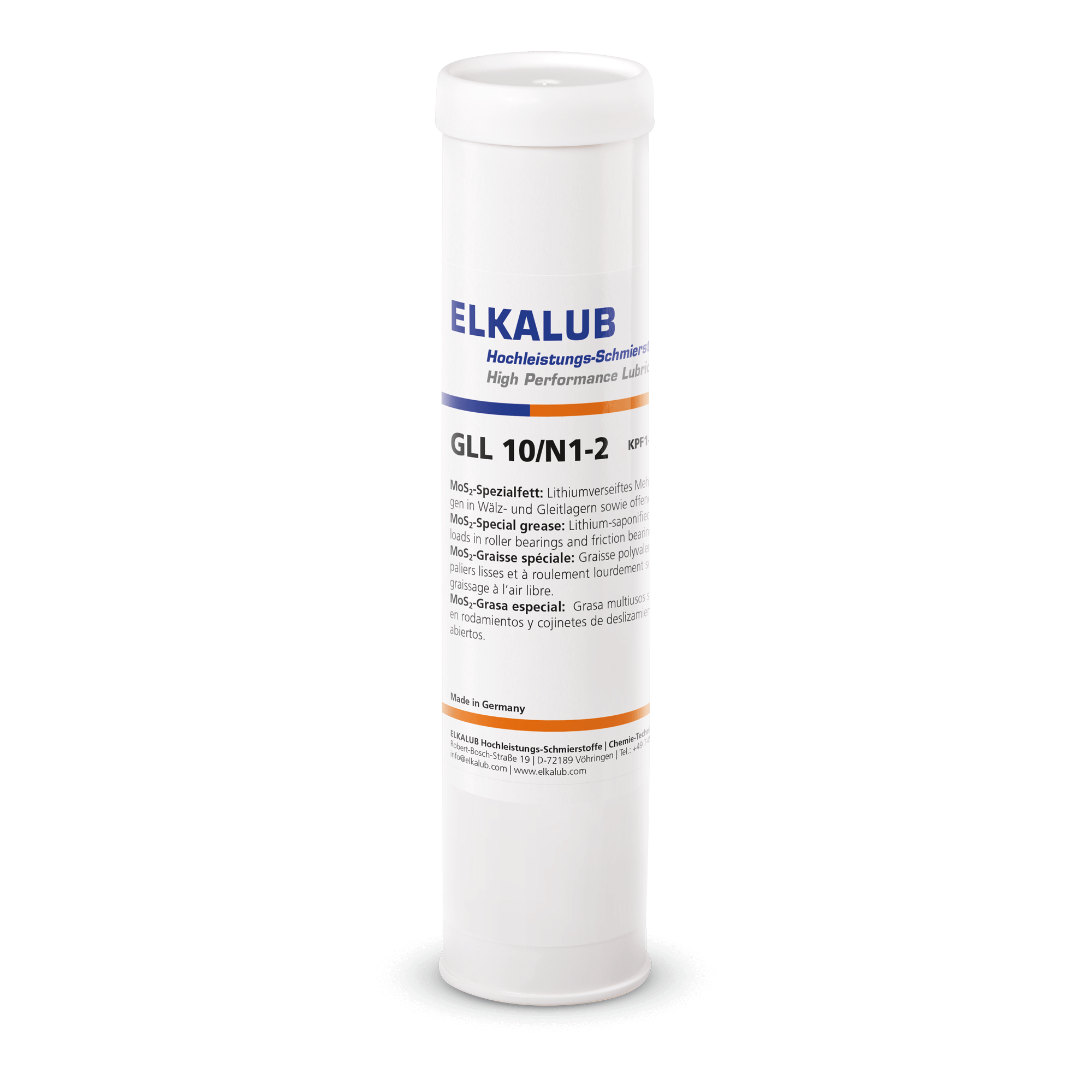
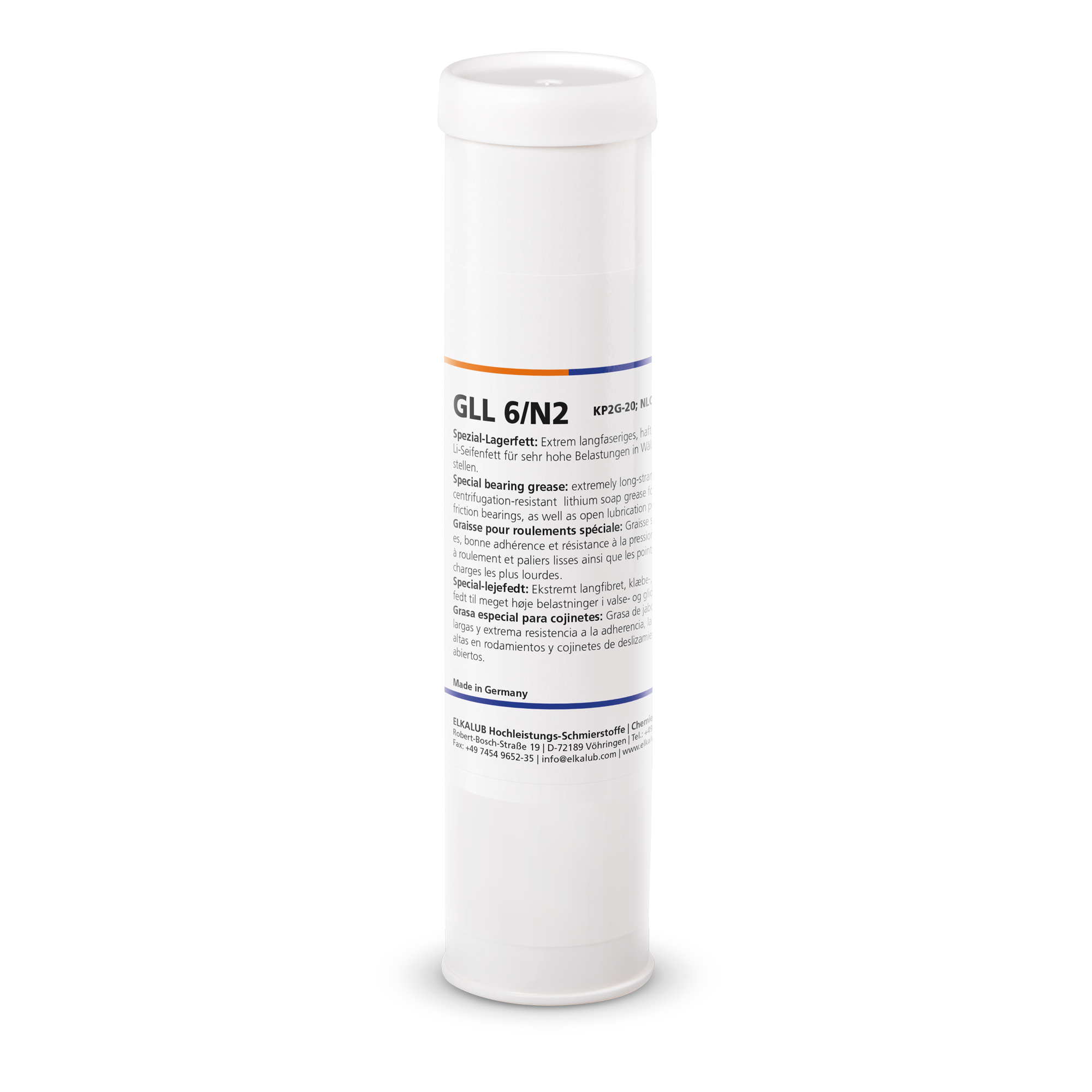
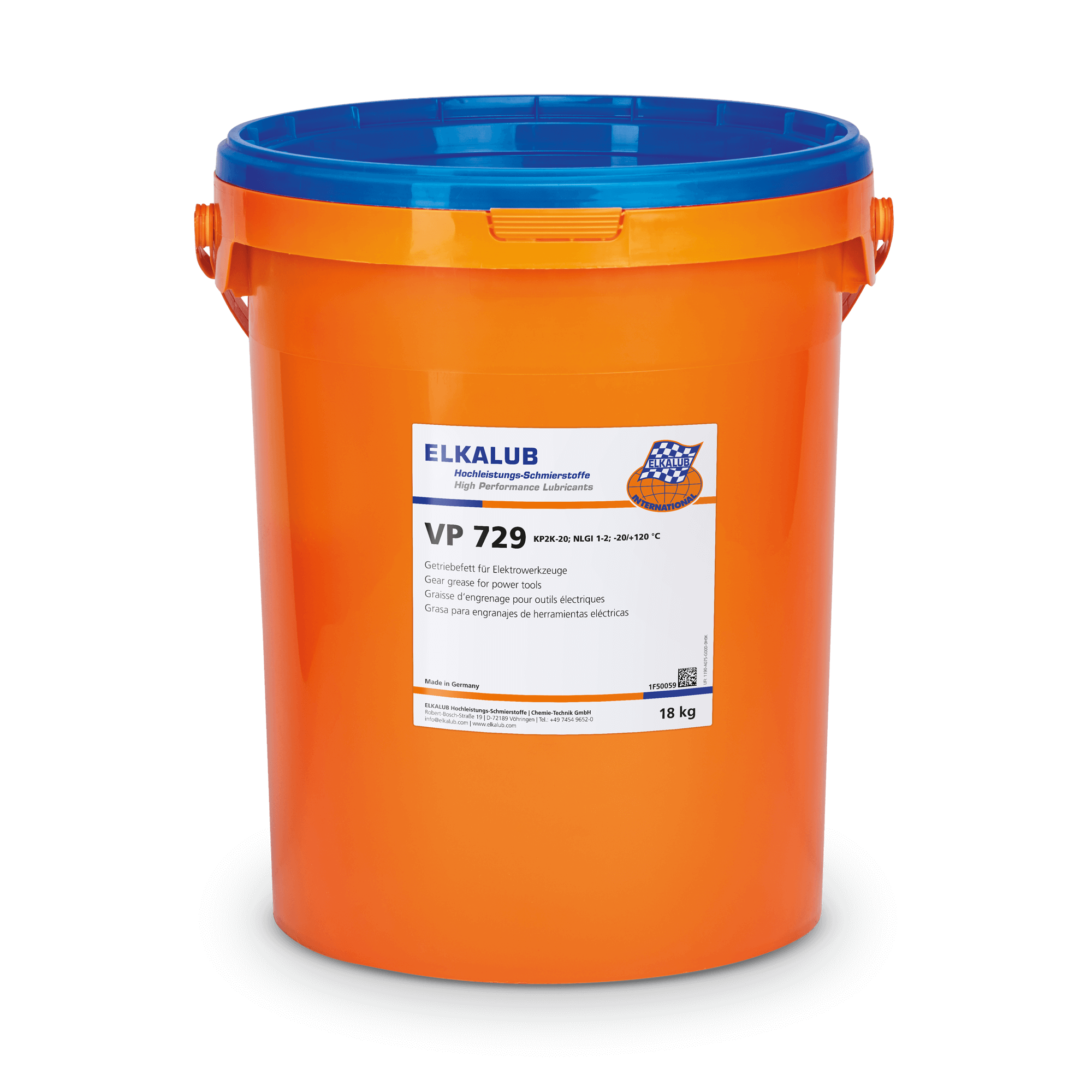
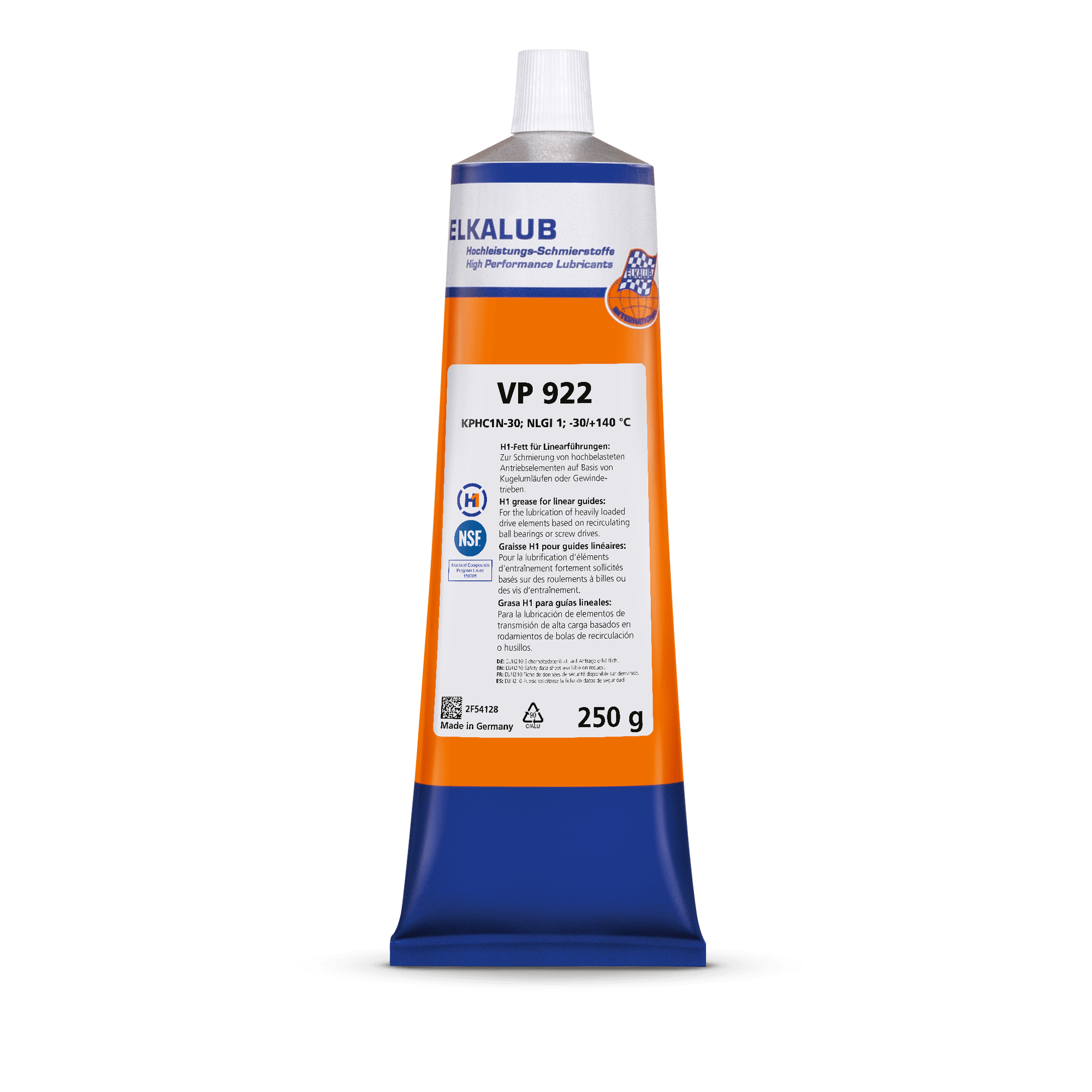
drive technology: ELKALUB special lubricants for roller and plain bearings at high temperatures, under heavy loads, and with special requirements.

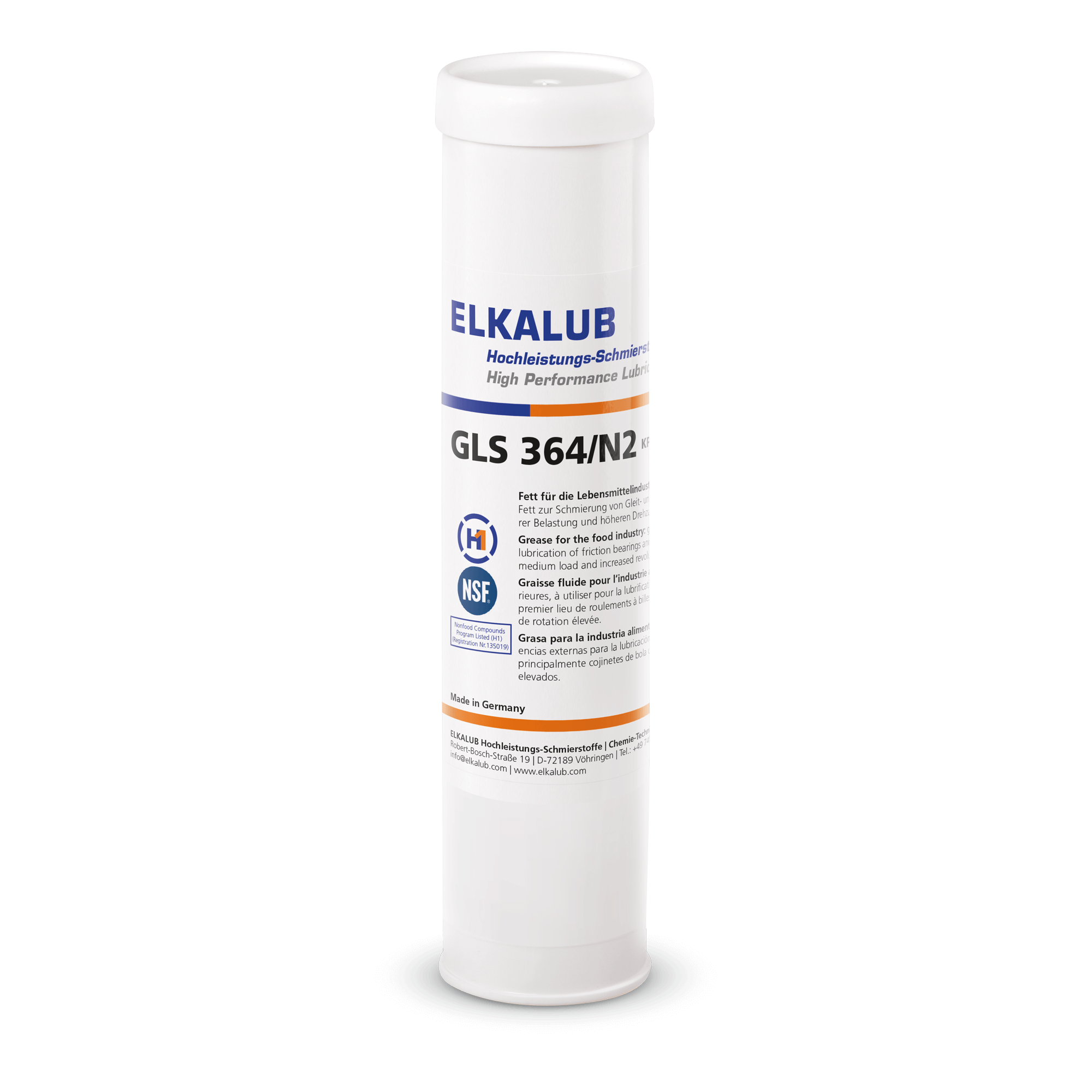
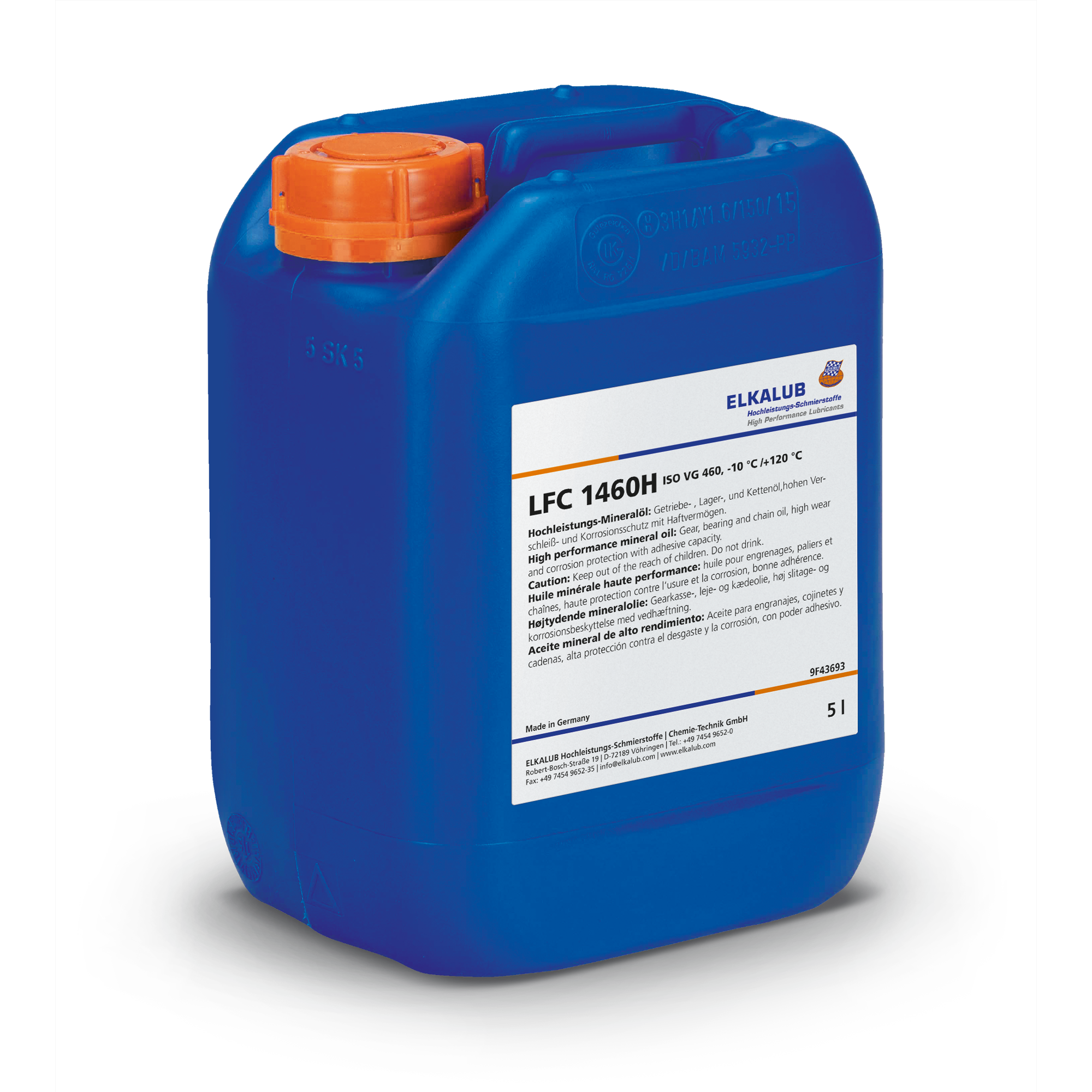
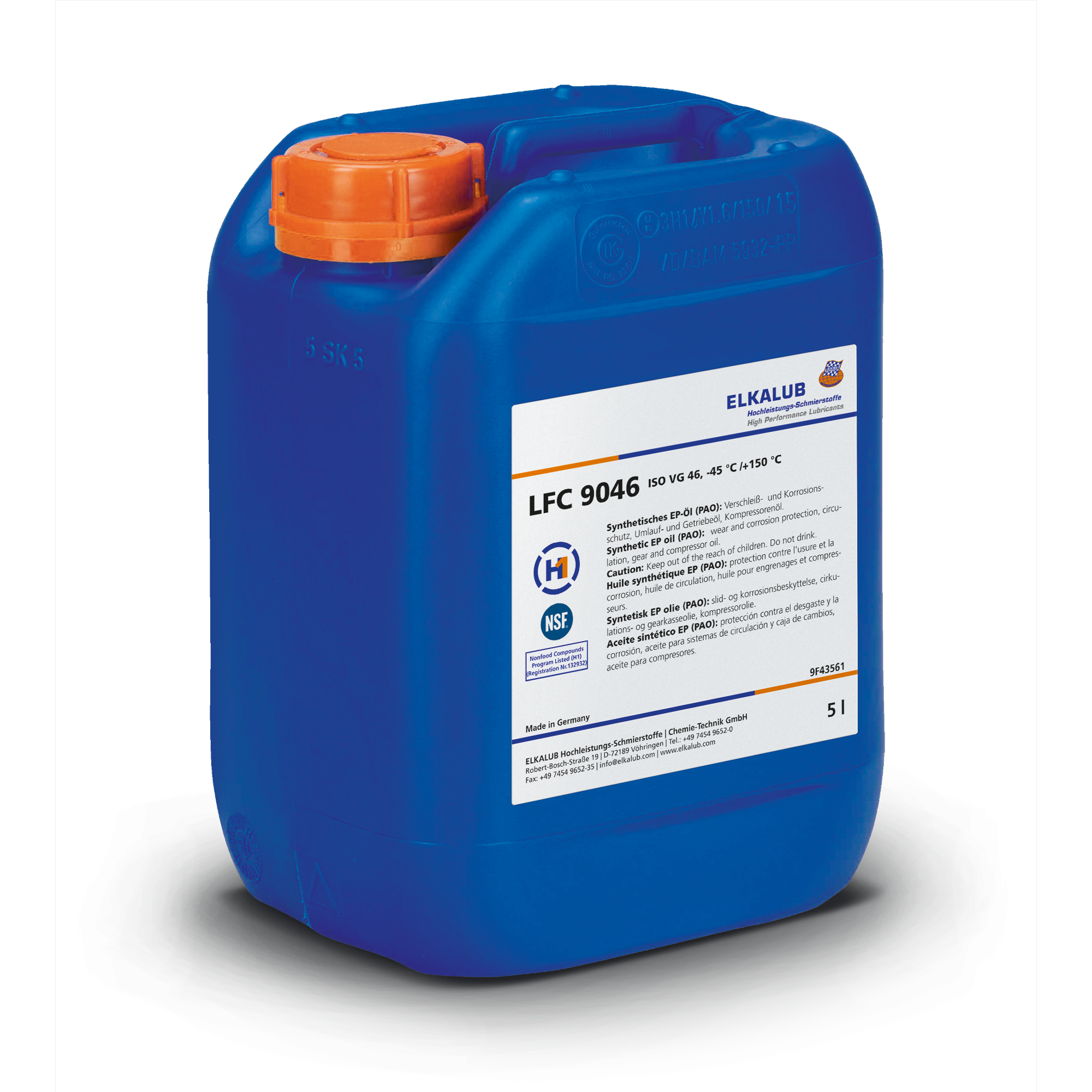
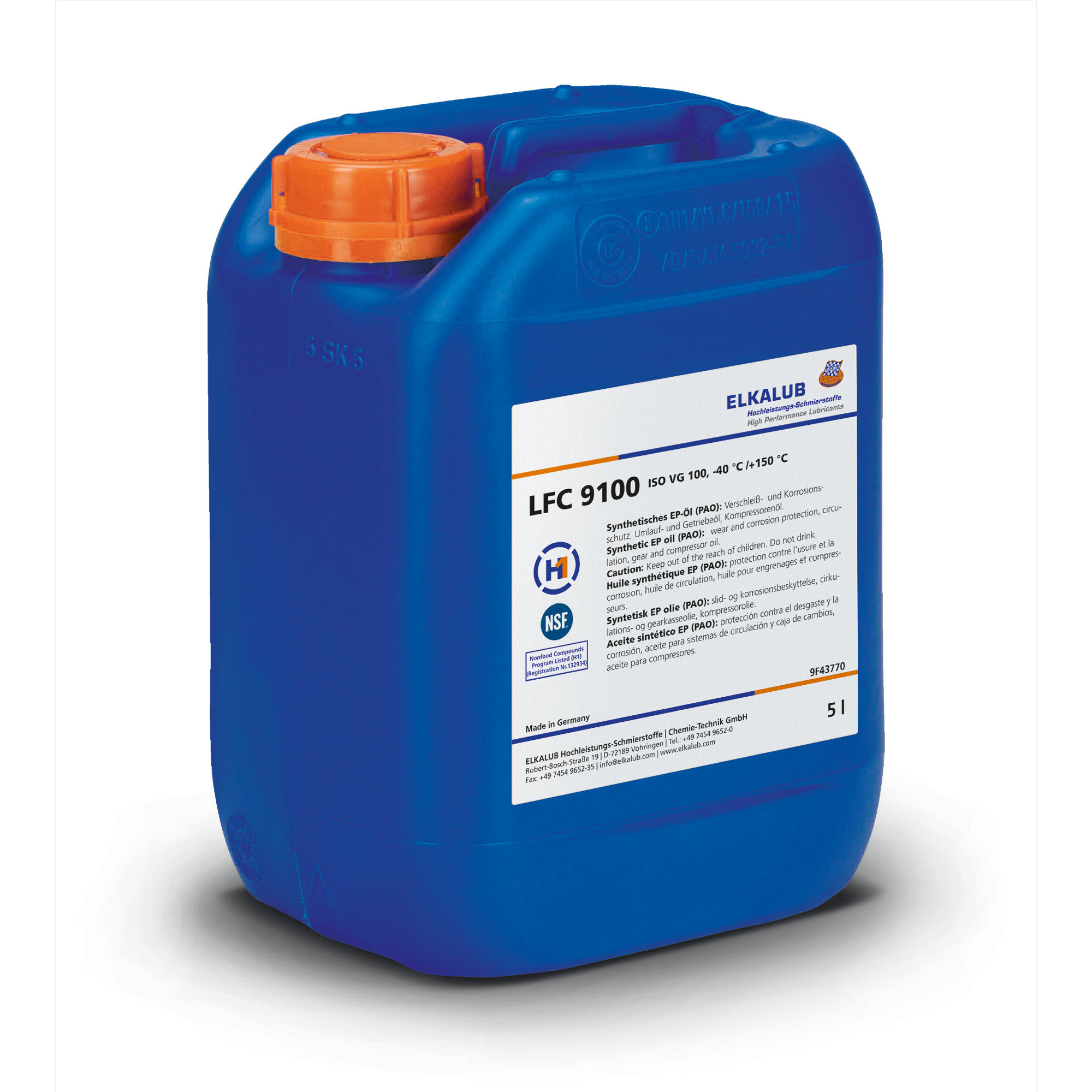
Our Lubricants for Rolling Bearings

Filter

Typ
machine element
Maschinenelement
functionality
Funktionalität
NLGI class
NLGI-Klasse
product approval
Produktfreigabe
base oil
Basisöl
thickener
Verdicker
types of friction
Reibungsart
reset

If you don't see a product you're looking for in this overview, please contact us. We'd be happy to develop it for you.

Request Now

Lubricating Film Thickness, Viscosity, and Practical Applications

The required lubricant viscosity can be estimated, for example, as part of the modified service life calculation according to DIN ISO 281. In practice, however, calculations remain approximations because lubricant additives (EP/AW additives), many base oils (e.g., polyglycol or ester oils), as well as thickeners and solid lubricants in greases can only be accounted for to a limited extent. The same applies to the calculation of relubrication intervals. For this reason, empirical values, insights from comparable applications, and practical endurance tests are often more meaningful than purely mathematical models.

Oil Lubrication for Rolling Bearings

From a physical standpoint, oil lubrication usually offers advantages: Low-viscosity oil reaches the contact zone quickly and promotes effective heat dissipation. In gear combinations, the gearing often determines the required oil viscosity. In addition to viscosity, additives are particularly crucial for wear protection. For highly loaded bearing locations, FE8 test results (DIN 51819) provide a reliable estimate of the lubricating oil’s performance – especially with regard to rolling element and cage wear.

Grease lubrication when positional accuracy is required

Grease lubrication is always necessary when the lubricant must remain in place, such as when sealing is required or when an oil supply is not available. A proven starting point is a lithium-soap-based mineral oil grease with medium base oil viscosity (approx. 100 mm²/s) and NLGI 2.

Selection Criteria for Grease (Load, Speed, Temperature)

  • High loads, large bearings, low speeds, more line contact/sliding: higher base oil viscosity (> 220 mm²/s) is advantageous.
  • Small, high-speed bearings with low loads: lower base oil viscosity (< 68 mm²/s) is generally better; an estimate can be made using the ndm value.
  • The operating temperature is always the determining factor: it determines the operating viscosity.

Noise, Aging, Additives, and Consistency

Noise- or vibration-damping requirements often call for higher base oil viscosities or low levels of solid lubricants. Homogeneous thickener systems are crucial for low-noise bearings. At continuous temperatures above 120 °C, aging stability and oxidation resistance become key considerations; FE9 tests (DIN 51825) provide an initial assessment of suitability. The NLGI class must be appropriate for the application: NLGI 2 is typically used for manual lubrication, while NLGI 00/000 is used for automatic systems. Low temperatures generally require softer greases (NLGI 0/1), while high temperatures often require stiffer greases (NLGI 3) for better retention.

FAQ on Rolling Element Lubricants

From a physical standpoint, oil is often better for rolling bearings because it lubricates more quickly and dissipates heat more efficiently. Grease is a good choice when positional stability is required or an oil supply is not available. The decisive factors are load, rotational speed, temperature, and the sealing design.

The viscosity for rolling bearings can be estimated mathematically (e.g., DIN ISO 281), but it depends heavily on operating conditions. What is relevant is the operating viscosity at bearing temperature. Additives and base oils have a significant impact in practice and are not always adequately modeled.

EP and AW additives support wear protection in rolling bearings, especially under high loads and mixed friction conditions. They work in conjunction with the appropriate viscosity and can reduce cage and rolling element wear. For high-load applications, FE8 tests aid in the evaluation.

Relubrication is important for rolling bearings when grease service life, temperature, contamination, or water ingress impair lubrication. Calculated relubrication intervals are only rough guidelines. Practical data, experience from similar applications, and endurance tests often provide a more reliable basis.

For high-speed, low-noise rolling bearings, greases with low- to medium-viscosity base oils and a particularly homogeneous thickener system are important. The ndm value helps with classification. In addition, noise tests should be conducted for each batch to ensure consistent quiet operation.

ELKALUB High-Performance Lubricants: General Product Overview

PDF Download

Conclusion

Whether roller bearings, tapered roller bearings, angular contact ball bearings, or needle roller bearings: Selecting the right lubricant involves combining the appropriate viscosity, additive package, NLGI grade, and relubrication requirements with real-world testing. Talk to ELKALUB – we’ll help you select the right lubricant for your rolling bearings and verify the design based on your actual operating data.

Get in touch with us.

Discover our range of lubricants: oils, greases, and sprays. Find the right product now and submit your inquiry.